Click the graphic above to access all our novel studies!!

Thursday, October 13

Day of the Dead / Dia de los Muertos Family-Style Unit Study

Bring a little culture into your autumn holidays with this Dia de los Muertos celebration!  Other fantastic fall holidays to learn about include Rosh Hashanah, Yom Kippur, and Sukkot...


Day of the Dead may sound like a sad celebration, but it's actually a joyous celebration of remembering loved ones who have died.  Death is viewed as just part of the cycle of life, and children are taught not to fear it.  Rather, it is meant to be a happy time to share memories of loved ones who have passed with music, dancing, fun, laughter, and love.  It is believed that the spirits of the dead visit their families on the last day of October, and leave on November 2nd.  It is a celebration for families and friends we have lost.

How is Dia de los Muertos celebrated?

Many families decorate altars with bright colors and lit candles.  Candles and flowers are also used to line cemeteries and roads, guiding loved ones to their homes.  In towns, there are parades and children eat candy to celebrate the sweetness of the lives that were once lived.

Other ways to celebrate include:
  • Decorating with marigold flowers (cempasúchiles)
  • Cleaning the gravesites of loved ones who have passed
  • Holding picnics and graveside vigils
  • Leaving the favorite foods of loved ones on graves
  • Decorating with Mexican paper streamers
  • Making Pan de Muerto & Tamales

What's the deal with the creepy faces?
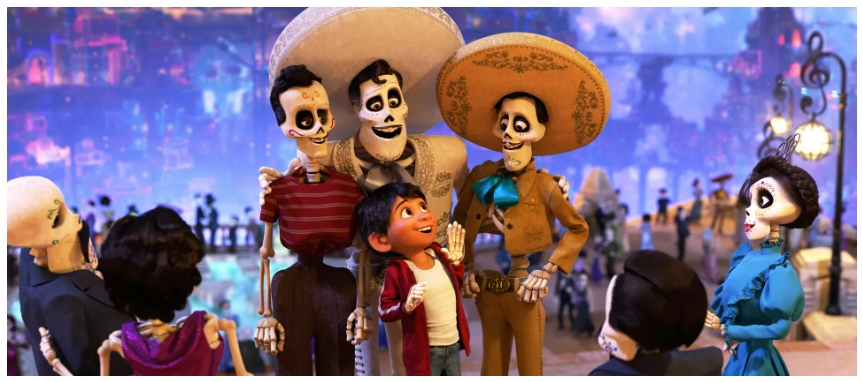
There is a reason that people celebrating wear makeup and decorate with painted skeletons.  In the past, painted faces, costumes, and dances were used to “scare away the dead” at the end of the celebration.  However, it has evolved into painting your face to celebrate something about a loved one or simply as a way to express yourself during the celebration.

For Littles & Elementary

Our Day of the Dead Celebration is a happy day when Mar’s family gathers together. There are favorite dishes to enjoy, games to be played, and most importantly, stories to tell. No one in the family is forgotten because this is the day of the year when the dead come to visit the living—and for this holiday it is almost as if they’re alive again, as the family takes great joy in celebrating the things that made them special. Mar realizes she is just like her Grandpa Ramón, who kept a journal. And her sister, Paz, plays accordian, just like their great-grandfather. There are so many things that connect them all—and at dinner, Abuelita spins even more stories that make them feel close to the ones they will love forever. Ana Aranda’s tender text and vibrant art make the joy felt on this sweet day totally palpable.

Clatter Bash! A Day of the Dead Celebration - At dusk on the holiday known as Day of the Dead, a Mexican family has set out fiesta offerings in the graveyard in hopes that departed loved ones may return to visit. The playful skeletons rise from their graves to celebrate with gusto. All night long, they sing, dance, dine, tell stories, and play games. As morning approaches, they give thanks to the stars for their night of fun, tidy up after themselves, and leave no trace of their "clatter bash" behind as they return to their coffins until next year's Day of the Dead.

I Remember Abuelito (bilingual book) - It's the Day of the Dead! It's time to celebrate! In this bilingual book, a young girl is busy helping her family prepare to honor those who have died--especially her grandfather. She misses him very much and is excited for his spirit to visit that night.

The Spirit of Tio FernandoIt's the Day of the Dead and Nando and his mother are going to honor Tío Fernando. Nando, named for Uncle Fernando, listens as his mother tells him that later, at the cemetery, they will meet with Tío Fernando's spirit.


For Tweens & Teens

Learn more about folklore with the Charlie Hernandez series and unit study.  The Charlie Hernandez books pull myths from several countries and weave them together into a story of good battling evil while teaching readers about these cultural tales.

And while we're talking about Hispanic folklore, here's a new gem that just released this year!  ChupaCarter, by comedian George Lopez, is an illustrated contemporary fantasy.  Twelve-year-old Jorge is lonely and resentful after being sent to live with his grandparents. His first day at his new school doesn’t go well after catching the attention of his belligerent principal and the school bullies, so Jorge might be a little desperate for a friend. But the only kid who shares his interest in junk food and games turns out to be a young chupacabra—a legendary monster whose kind is known for being bloodthirsty livestock killers. The truth is, Carter is anything but savage—he's kind, a good listener, and has great taste in sneakers. Being friends with a mythical creature should be amazing, but when local cattle turn up dead and his principal suspects the truth, Jorge is torn. Should he trust that his friend is innocent and protect him from exposure, or reveal his dangerous existence and change the world forever?


Movies & Videos

Coco - Despite his family's generations-old ban on music, young Miguel dreams of becoming an accomplished musician like his idol Ernesto de la Cruz. Desperate to prove his talent, Miguel finds himself in the stunning and colorful Land of the Dead. After meeting a charming trickster named Héctor, the two new friends embark on an extraordinary journey to unlock the real story behind Miguel's family history.

The Book of Life - In the Mexican town of San Angel, Manolo (Diego Luna), Maria (Zoë Saldana) and Joaquin (Channing Tatum) have been friends ever since childhood. Although their lives have taken different paths -- Maria was sent to Europe, Joaquin joined the military, and Manolo studied to become a bullfighter -- one thing remains the same: Manolo and Joaquin both want to marry Maria. Little does the trio know that battling husband-and-wife deities have made a high-stakes wager on the love triangle's outcome.


Hands-On Learning & Crafts


Learn more about world cultures and holidays in Journey Through the Continents. Travel the world from your homeschool! This 5th-9th grade curriculum comes with elementary connections so that it can be used family style. The first unit is an introduction to geographic terms and practices, including a study of GPS.


Author Interview

  • What traditions do you and your family do for Día de los Muertos?

Since I was young, I’ve been preparing an altar for the departed. I add pan de muerto, sugar skulls, papel picado and food that the people being honored and celebrated used to like. In the process we remember their stories, memories together and their memories are alive once more.

  • Which family member / ancestor do you most relate to and why?

I mostly relate to my parents and sibling, who I’ve always been close to and from whom I’ve learned so many valuable lessons in life. I also relate to my grandmother, who has taught me serenity. Most characters in the book are inspired by family members and ancestors. For example Tenorio is based on my grandfather, who used to play the accordion.

  • What is your favorite children's book or young adult novel?

I love “The Arrival” by Shaun Tan, as well as all of his books!


Monday, October 3

Field Trip to the Cookie-Making Factory (Hand-Crafted Delish!)

One of my favorite Christmas memories as a girl is visiting the Moravian Love Feast at Old Salem for an historic candlelight Christmas.  The smells of ginger and cinnamon blended together are the best holiday scent!  That signature blend greets you as you walk through the door of this cookie factory...

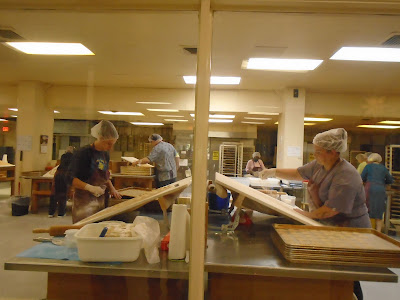
Tucked into the corner of Forsyth County, Mrs. Hane's Cookie Factory bakes oven ten million hand-cut cookies each year!  They keep America (and occasionally abroad) well-stocked with this class yumminess all year long, and it takes the entire year to prepare for the Christmas season.

The factory bakes up about 100,000 pounds of cookies each year, with a hundred cookies in each of those pounds.  By and large, their most popular flavor is ginger, but they also make lemon, chocolate, sugar, and walnut.  Every single one of those cookies is cut by hand!

The factory began as a mother's wish to earn some Christmas money.  She began baking cookies to sell for the season, and it quickly blossomed into a booming business!  When she began, she was doing it all on a wood stove just like the one below.

Nowadays, the millions of cookies are sold year-round, with the vast majority going out at Christmas.  Factory workers begin preparing for the season in July, hand-packing cookie tins and preparing boxes for shipment.  Some of the employees have been with the company for decades, and there is quite the camaraderie in the building!


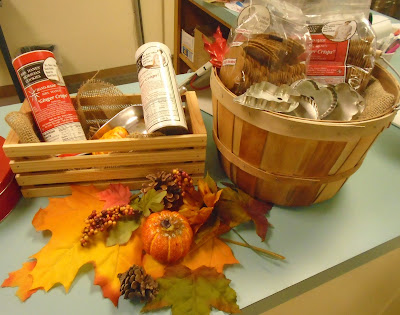
Naturally, we had to try every type of cookie they bake!  They were all super yummy, so we created a sampler pack - ok, a really large sampler crate - to bring home....MAYBE they'll last until the holidays?


Interested in touring the cookie factory?  Find out more here...

....and because we were fortunate enough to be in the area, we had a chance to visit with family after a long covid-separation.  A sweet day all around!

Monday, September 19

Books to Celebrate the Autumn Holidays


As part of our continuing series on Celebrating the Holidays through Literature, this month we are bringing you a collection of autumn stories to share with your children!  This includes Halloween, Veteran's Day, High Holidays, and general autumn books.

Download the entire holiday bundle of book lists for free.  Can't get enough of the holidays?  Incorporate the Bricks Through the Year and History of Our Holidays bundles into your homeschool year, too!


Books Celebrating Autumn

Children's Books for the High Holidays


Books about Halloween

Books on Election Day


We also love watching the Charlie Brown double feature It's the Great Pumpkin, Charlie Brown and You're Not Elected, Charlie Brown!

Have a wonderful autumn literary adventure!


Monday, August 29

Roadschool Trip to Patriot's Point

Our roadschool field trip to Charleston and Savannah took us through some amazing historic properties and tours, but the boys most enjoyed our afternoon at Patriot's Point.  This museum is home to World War 2 and Vietnam-era ships, and is rife with hands-on history!

With Charleston as a beautiful backdrop, Patriots Point is home to three museum ships: the USS Yorktown, an aircraft carrier, the USS Laffey, a destroyer, and the USS Clamagore, a submarine that was sunk as an artificial reef.  It is also the starting point for tours of Fort Sumter, which was the site of the first shots fired in the American Civil War.  (Find more on the Civil War here.)  The floating museum gives visitors the chance to tour the aircraft carrier, USS Yorktown, along with a destroyer ship, and a submarine.  

The ships are amazing, with nearly every area open for visitors to experience life aboard an aircraft carrier.  The boys practiced tying knots, learned how to spot aircraft, experienced being hit with a torpedo, learned about strategic command, and took a turn in the captain's chair.  They learned about the different types of aircraft that launched from this ship, as well as the pilots who bravely flew to protect our nation in times of war.

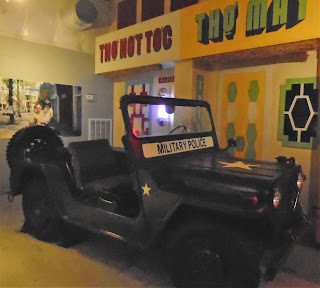
Back on dry land, visitors can also visit the Vietnam Experience Exhibit.  The boys were fascinated by this exhibit - and Grandma attested to the fact that it was VERY realistic, very much as described by Grandpa during his successive tours.  The Vietnam Experience brings this era to life through music, nature sounds, chopper sounds, scents, and interactive pieces.

Patriot's Point Field Trip Resources

Friday, August 12

Studying Pandas with 'The Year of the Panda'


While most of our unit studies are for upper grades, this one is geared toward younger students.  That said, it's still a great little story that would be a wonderful read aloud for the entire family!

The giant panda, known by its black and white coat and round little body, is native to China.  The Latin name is Ailuropoda melanoleuca, and in Chinese it is: 大熊猫.  

Pandas eat any of twenty-five bamboo species in the wild, but only a few bamboo species are widespread at the high altitudes pandas now inhabit.  Bamboo leaves contain the highest protein levels; stems have less.  Because of how the bamboo life cycle works, the giant panda must have at least two different species available to avoid starvation.  In the wild, it eats primarily bamboo shoots and leaves, but very occasionally eats meat in the form of birds, rodents, or carrion.  In captivity, it might also eat honey, eggs, fish, yams, oranges, or bananas.

The giant panda lives in a few mountain ranges in central China, mainly in Sichuan, but also in neighboring Shaanxi and Gansu.  As a result of farming, deforestation, and other development, the giant panda has been driven out of the lowland areas where it once lived, and it now relies on conservation efforts to keep it alive.  It has been an endangered species for a long time, but in 2016 was reclassified as 'vulnerable.'  This is because people worked hard to make sure pandas didn't become extinct.

Read

  • The Year of the Panda
    • Daxiong mao is rare and mysterious, like a god, living in the midst of the mountains.Strange things are happening on Lu Yi's farm. First, some men from the Chinese government ask Lu Yi's father to sell the property that has belonged to the family for generations. Then a giant panda appears in a neighbor's field, A rare occurrence, given the farm's distance from the high-mountain bamboo forests that pandas inhabit.Lu Yi has a feeling that the two mysteries are somehow connected. And before long, an orphaned baby panda he finds in the' woods provides an answer. As the boy nurses the helpless animal back to health, he begins an adventure that may, well change his entire future.

Watch

Make / Do

Vocabulary
  • bear
  • bamboo
  • China
  • endangered
  • zoo
  • panda
  • habitat
  • omnivores
  • adaptations
  • ecosystem
  • reserve
  • daxiong mao
Think 
  • Society does not have the resources to save every species from extinction.  How should we decide which species to preserve?
  • Should we try to preserve as many species as possible, or focus on whole ecosystems?

Boost this unit study with more about China...


Got an animal lover?  

Pick up Zoo Studies!  Sixteen different units focus on fourteen different animals, plus classification / taxonomy and animal adaptations.  Activities include : reading, writing, research, online learning, videos, crafts, and more!  

Tuesday, August 9

Homestead Gardening - What to Preserve Each Month

 Most people think of gardening as a summer activity, and it is, but to be truly productive, you'll want to learn about year-round gardening and preserving.  You've heard of buying 'in season,' but now it's time to learn how to preserve your own harvest with the seasons!

If you're new to the world of canning and food preservation, start here with the basics.    You'll want to invest in a good canning system, canning utensils, and possibly a pressure canner, too.  It should be noted that InstaPots are NOT advised for pressure canning.


Remember that the months may vary a bit based on your latitude and hemisphere.

January

Dried beans are a meat-free protein that have a long storage life, which means you can always have them on hand.  When you first shuck the beans, allow them to dry thoroughly.  I like to throw all of them in the dehydrator (on one of the fruit leather sheets, to keep from slipping through the holes) overnight to make sure they are good and dried.  You don't want to open your jars down the line and find a moldy mess!  Once they are dried, if you store them properly, they should be good for several years in your pantry.  Bear in mind that the longer they sit on the shelf, the longer they will take to cook later.  To keep dried beans as fresh as possible, store them in food-safe storage containers with tight-fitting lids.  Store in a cool, dry place out of direct sunlight.  (Cooking tip: If beans have been sitting on the shelf for more than a year, add ¼ tsp of baking soda to each pound of beans, when you cook them, to soften them.)

February
Having meats pre-cooked is a big draw for busy moms, but they get expensive at the store.  Look for locally-raised meats, and try to put up a variety.  Meats vary in how they need to be preserved, but generally cooking them and pressure canning will cut down on a good deal of time.  Here's a great post to help you learn to can just about any meat.  By having the meat pre-prepped, you can toss it in with some rice, quinoa, or pasta, and canned veggies for a quick warm up on the stove.

March
If you want to have the soups completely made and ready-to-eat, you'll definitely need a pressure canner to safely preserve them.  When you're canning the soup, just put in the basic ingredients - you can add a thickener when you cook it.  The same goes for grains - they will need to be added at the time of heating.  You'll just want the meat, vegetables, and broth.  You can also preserve basic broth this way, with nothing else in it.  It can be added to any casserole, soup, sauce or even just a basic rice pot for added protein.  Check out the Ball Complete Book of Home Preserving for individual pressure canning times and temperatures.

April
Planted in the fall, root vegetables have had time to size up and are ready to be harvested and preserved.  Carrots and beets may be fresh, while potatoes will most likely be the leftovers of last year's crop, so check for firmness.  This is a more advanced project that will require a pressure canner.  Here are detailed instructions for each of the different root vegetables to ensure success!

May
Herbs can easily be dried and preserved for use cooking throughout the year.  This is a good project to do with children, and is the natural extension of starting an herb garden.  If you want to turn herbs into a science unit study, check out Teaching Kids About Herbs.  In this year-long course, you'll learn about many herbs!  Each month, your child will learn about a new herb and how to use it.

June
Jams and preserves are one of the easiest things to preserve, and they are a yummy way to experience summer in the dead of winter.  Most berries are highly perishable, so making jam is the perfect form of preservation.  Jam is made with mashed fruit, while preserves have whole berries and pieces of fruit in them.  Beginners will be happy to hear that you can make these with three ingredients (berries, pectin, and sugar), and they don't have to be pressure canned.  Here's a quick video tutorial.

July
Cucumbers can be...overwhelming.  So much so that one year I actually cheered when the pig tore up the vines because we still had tons of pickles leftover from the year before!  Pickles are about the easiest thing to can, and what I generally recommend beginners start on.  There are several different varieties to play around with, and you can also try out chow-chow and relish.  Vinegar, pickling spices, and cucumbers -- easy peasy!

August
Tomatoes...if you grow them then you know that once they begin appearing on the vine, they start coming in fast and furious.  It can feel like you're drowning in tomatoes at times!  Some canned tomatoes can be water bathed, while others need to be pressurized.  Be sure to check the Ball Complete Book of Home Preserving for specific information on what you want to use them to make.  We make a lot of spaghetti sauce and salsa because those two items compliment our meal preferences.  We also like to dehydrate cherry tomatoes to use as salad toppers.  If you're feeling adventurous, go for a gourmet catsup or barbecue sauce!

September
If you have beehives, or access to a local apiary, then you know there's nothing quite like wild honey.  It's a cure-all and notable for it's amazing ability to help with seasonal allergies.  Honey will last several years if properly stored.  You will want to put it in an airtight container kept in a cool, dark place.  It's a little trickier to store the honey with the honeycomb in it because sometimes it has moisture content you may be unaware of, and that affects the storage.  The honeycomb may also cause your honey to crystallize faster.  However, the honeycomb is excellent!  If you want to store comb in your honey, read more here.

October
Fall is a fantastic time to pick up bulk boxes of apples, and to make your house smell heavenly with the smell of them turning into applesauce and apple butter.  Both of these can be water bath canned and are good for beginners.  Apple pie filling is a little more complicated, but can also be water bathed and is perfect for a quick and easy dessert.  You can use the core and peelings, too, to make apple cider vinegar!

November
Pumpkin is my favorite fruit, and "pumpkin spice season" my favorite time of year!  Each year, we plant several pumpkins and use them throughout the year in pies, pumpkin breads, and even in cookies.  It's also pretty low-maintenance.  You can keep it on the pantry floor at room temperature, and it will last several months.  However, it requires a bit more for processing as it's not safe to can pureed pumpkin, so we typically roast the pumpkins in the oven, scoop the puree, and freeze it in quart sized bags.  If you absolutely must can your pumpkin (no freezer space), please follow these instructions and be safe.

December
After Thanksgiving, you can usually pick up fresh cranberries at a decent price.  Most of us don't live near cranberry bogs, but if you do, grab some local ones.  You can preserve cranberries in small batches for condiments, smoothie mixes, and even your holiday side dishes.  These can be frozen or canned.  Our favorite thing to do with these is make cranberry juice!


You may also be interested in....


Pick up the Homemaking & Homesteading Bundle in our Cottage Shoppe!  

The bundle includes twenty-four tutorials with background information for anyone who is interested in homemaking and homesteading. Topics are broken down into:
  • In the Kitchen – Fall & Winter
  • In the Kitchen – Spring & Summer
  • Around the Homestead – Inside
  • Around the Homestead – Outside
For more great homesteading fun, check out the Homesteading Course at SchoolhouseTeachers!

This homeschool homesteading course is designed for anyone who has a desire to live more independently and prepare much of what is needed each day using their own hands. In this elective course, the student can learn how to work for what they want by making it themselves, instead of participating in an “on demand” society. Homeschool students of all ages learn patience, along with the skills needed to make their own cleaners for the home, sunscreen, homemade ketchup and dry mixes, as well as how to choose animals and prepare for emergencies, and much more. Learning the patience and usefulness of “doing it yourself” can be immensely helpful not only in the sense of living a healthier life, but also for the budget!

Wednesday, August 3

Best Kid's Books about Survival

Recently, there has been a rise in the popularity of survival-based books for children.  Our boys were definitely drawn to these more rough and tumble types of books, but they're not just for boys.  Here are some of our favorite survival books for youth...


Why read survival books?  

Where these life skills were once a part of everyday life, kids today have to be taught survival skills, and you know that we love teaching through literature!  We prefer the classic survival stories, but dystopian literature has its place, too, in teaching these skills.

What skills?

Emergency preparedness, cooking, woodcarving, gardening, camping, first aid...I feel like I'm listing Boy Scout badges here, but these are all life skills that kids need to learn.  We've also selected books for herbal remedies and outdoor cooking.

What survival books would you add to this list?


For more literature resources, check out SchoolhouseTeachers! It includes all classes, for all grades…and it’s one price for the entire family. There are many different learning styles to select from, so if you have one visual kid who needs a relaxed pace and one aural kid who needs a more stringent pace, there are classes that will fit them each. With over 475 classes available, plus extras for mom and dad, this is my favorite resource to offer new families wanting to dip their toe into homeschooling! 

You may also like…


Hands-On Learning

For hands-on learning, we also recommend the Craftsman Crate.  These subscription boxes aren't your run-of-the-mill 'read a bit, do a bit' projects.  They are in-depth, hands-on experiences.  Since the subscription's inception, we've done wood burning, wood carving, calligraphy, and metal working.  This month, however - as you'll see in the unboxing - got the "Coolest Kit Ever!" award.  The boxes are designed to teach artisan skills, such as those your grandfather or great-grandfather would have learned, and it's one of the best boxes for teens currently out there.


You may also like....