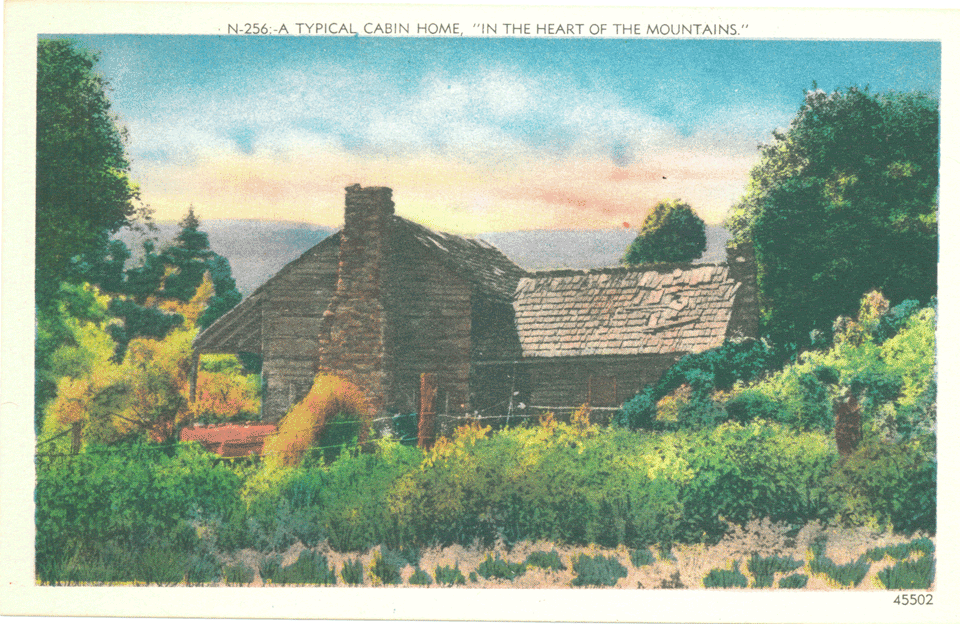
Click the graphic above to access all our novel studies!!

Monday, September 30

Roadschool Trip to Vermont

Our biggest complaint about Vermont is that it's so far from home!  On this trip, we visited a farm in Woodstock, the quaint town of Middlebury, and Ben & Jerry's Factory...
Sugarbush Farm

What do you think of when I say 'Vermont?'  Skiing?  Fall foliage?  My children think of good maple syrup!  We decided to go to a local farm and see just how this yummy breakfast staple makes its way to our table...

Sugarbush Farm is in Woodstock...but, while it's residents tend to be crunchy granola-types,  it's not that Woodstock.  The farm is quite productive, with cheese, syrup, jams & jellies, and other maple-based treats.  They give fascinating cheese-making demonstrations about their different cheeses.

They also let you sample as much cheese and syrup as you can handle!  (Happy bellies = happy children)  With fifteen cheeses, and four types of syrup, to choose from, it's easy to fill up quickly! 
After all those samples, we needed a little exercise.  The farm has a nature trail set up that includes information plaques about making maple syrup.  We learned about the differences between sugaring in the 19th century and today's drip-line process.  At the end of the hike, we watched a ten-minute video about sugaring.  (Had we paid attention to the signs, this would have been first...)
 
The boys took the Sap Carrying Challenge, and found out just how difficult it is to carry five pound buckets of syrup through the 'white and drifted snow.'
 
We couldn't see and smell all that syrupy goodness without taking some home, so we hit the farm store and picked up some organic cheese and a gallon of very robust and yummy syrup!
Ben & Jerry's
Driving through Northern Vermont, we found the mother ship....Ben & Jerry's ice cream factory!  Did you know that they have 45 flavors and 33 retired flavors?  That's a lot of taste-testing, but we were up to the challenge.

After taking the factory tour to see the production line and learn about how they make their secret-formula ice creams, we headed into the tasting room.  (No photos are allowed in the touring area.)  After tasting, we headed out for the nature walk to visit all of the iconic Ben & Jerry's images.
 
Finally, we wrapped up this stop with a trip to the flavor graveyard, where retired flavors are buried.  I always wondered what happened to my favorite flavor from younger days...now I know!  Some of the flavors buried here were so absurd, it was hard to imagine how they were created in the first place.

Middlebury 
This stop was prompted by sheer exhaustion.  We'd meant to get further down the road, but are so glad that we took a break.  This is the quaintest, sweetest little town!!
     
    We found a room at a the Middlebury Inn, a historic site that's not nearly as expensive as you might think!  The rooms are three times the size of a typical hotel room, the atmosphere is relaxed and inviting, and it's a just a short walk to town.  The kids were excited about getting "a hotel that's also a museum!!"  The inn is full of antiques from it's past lives.  Seriously, check out the size of these rooms!!!
     
     Dinnertime was fast approaching, so we asked the front desk for a recommendation (locals always know the best joints), and headed out along the train tracks for some special pizza.  This place used only organic, locally-grown ingredients, and had reasonable prices.  Good deal. 

    After dinner, we went exploring.  The weather was perfect, and the area is beautiful!  We discovered waterfalls, the church from the hotel lobby postcard, and the world's largest Adirondack chair. 
     
    We wanted to explore the hotel as well, and headed back to look at their antiques and photos.  The boys got a lesson in operating the 19th century elevator, discovered a room full of "cool, old books," and sat down for evening tea in the parlor.
     
    Mom and Dad made an executive decision to take tea out to the wrap-around porch, where we relaxed and watched a perfect sunset.  It was one of those nights that leaves you incapable of believing there isn't some higher power.

    We were pleased to have company from the gentleman working the front desk.  It was a slow night, and he kept the boys entertained with chocolate malts and stories of his trips to Fort Ticonderoga as a child.  Together, the three re-enacted various battles while we watched with amusement.  He was as excited as the boys! 

    He also told us about the supposed ghosts and hauntings at the inn.  Not to fear - the only unusual things I encountered were these 'ghosts' that came out of the closet and after their Daddy.  Funny thing about these ghosts...they happened to be quite ticklish!

    Wednesday, September 25

    Roadschool Trip to Seattle

    You know what's fun?  ROAD TRIPS!  We like to incorporate road trips into our school - it's called roadschooling - for memorable experiences.  It often leads to better retention of the material, too.  We once had the wonderful opportunity to be full-time roadschoolers, living on the road for most of the year, and it's something we'd recommend to any family who can swing it...even if only for a month.  
    Here are some of our best tips for visiting Seattle (think: long weekend) with kids!
    The theme of the 1962 World's Fair was 21st Century...and the Seattle Space Needle was the piece de resistance of this futuristic event.  Touring the building is a lesson in "modern" architecture, such as that created by Frank Lloyd Wright.  Our favorite part?  The view from the top of the world!  The restaurant has a minimum purchase per guest...which is not so hot if you want to take your kids to lunch.  Thanks to doggie bags, we got lunch and dinner out of this meal, and it was still pricey.  But if you eat at the restaurant, you can walk up to the observation deck for free...so factor that savings into your cost.  The best part of the restaurant was the rotating view of the city.  While waiting for the food, we were able to check out every corner of Seattle!  

    After our extravagant lunch, we stumbled upon Seattle Free Walking Tours...and the word "free" sounded really good!!  Seattle Free Walking Tours was inspired by the adventures and travels of the organization's co-founders. Free tours are a phenomenon throughout much of Europe, and they wanted to introduce the concept in the beautiful Pacific Northwest.  (Suggested donation is $15.)  There are a couple of different tour options, and they're very basic, but it's a great way to stretch your legs and get an introduction to the city from a native.  Reservations are required...so bring a smartphone.  Here we are with Chief Seattle, an ancestral leader of the Suquamish Tribe in the late 1700s / early 1800s, and the man for whom the city was named.
    The oldest Farmer's Market lies at Pike Place Market, where artisans and farmers alike have been cutting out the middle man for more than a century.  It’s a place where you can “Meet the Producer”—the farmers, butchers, fishmongers, cheesemongers, bakers, winemakers and purveyors who bring their bounty to your table.  One of our favorite parts about Pike Place is watching the 'performers' at the Fish Market.  The way they toss those gigantic fish around is a source of amusement and wonder to kids of all ages!  It's also home of the original Starbucks, so you can pop in and get a cuppa to warm up.
    Spend about 90 minutes underneath the city, soaking up a history lesson all the way!  As part of the tour, we learned that the commercial district burned down in 1889, and rather than take the opportunity to move the commercial district, the shop keepers rebuilt their businesses on the original mud flat.  Then, the city brought in dirt fill and created city streets that were 15-40 feet above all the buildings!  So, the front of the building and the sidewalks were well below the streets behind giant stone retaining walls.  To cross the street, you had to climb a ladder, scurry across the street, and then climb down another ladder.  It is ironic that nobody died in the Great Seattle Fire of 1889, but nearly 20 people died years later, falling off the ladders as they tried to cross the streets.  That is just a taste of the wierdness that you will learn on this tour!!!   (Scroll down for more photos from this tour.)


    Seattle Road Trip Resources:

    Take only memories, leave nothing but footprints. - Chief Seattle

    Tuesday, September 24

    How to Engage Your Teen / Tween

    The teen years.......did you just shudder?  Before this homeschooling life, I worked with eighth, ninth, and tenth graders...and loved it!  Teens are so exciting.  They are old enough to have a real, heavy conversation with (and it's really fun to explore the basis for their opinions!), but young enough to still need and want guidance (even if they won't admit it).

    From those years of experience, my experiences with my own children, and just the sheer memory of being a teen myself....here are five suggestions for getting your kid out of the 'school is dumb and useless' mindset.

    For those of you who've been through the teen years with your own children, feel free to weigh in on the suggestions below.  Leave your own tips and tricks!
    1. Let them choose what they want to learn.
      • "Do a job you love, and you'll never work a day in your life."  Allow your child to choose the coursework he's interested in, and he'll enjoy his school day.  Granted, you can't let him choose every single thing, but electives are an easy way to give him that freedom.  
      • Once he finds something he loves to learn about, you might find that he works harder at the basics so that he can get to electives!   Check out Home Sweet Life's post for more info on Homeschool Electives.
    2. Allow them to have more control over their day (scheduling).
      • One of the reasons teens give us attitude is because they are floundering between being an adult and being a child.  They want to be the adult, but they still need you to be the parent.  It can turn into a real power struggle.
      • Similar to allowing him to choose his electives, allow him to structure his day.  We use responsibility charts - the boys know what work must be accomplished each day.  While there are a few things that must be done at certain times, they have a lot of freedom about structuring their own day.  Math typically is shoved aside until last, but occasionally one of them will do it first, saying "I just want to get the bad stuff done with."  Lessons being learned...
    3. Tell them why they need to learn it.
      • How many times have you heard "this is pointless," or "I'll never need to know this," from your child?  If he's old enough to have some career interests, use that to explain why he needs the subject.  
      • Here's an example from Kym at KymPossible :
        • He wanted to be a sports journalist, so I was able to convince him that he would need strong writing skills, which he could learn by doing the grammar and composition assignments I gave him. One example. Algebra was harder. LOL But that came down to - you need this many math credits; at least one has to be algebra; to get the credit you need a passing grade, which is 70% (or whatever it would be); so that's why you have to do algebra. That worked for him. And I had to be willing to let him get just the passing grade rather than the A+ I knew he was capable of, if that's what he was going to settle for.
    4. Work on life skills.
      • Remember all that jazz about wanting to be an adult, but not being ready yet?  Take the opportunity to work life skills into your school day.  As a homeschooler, you have the unique opportunity (well, unique in that public school can't do it) to be able to practice these skills in real-world time.
      • Kelly at God's Writer Girl does this with her son all the time!  We also work on daily living skills: balancing a checkbook, managing money, laundry, cooking, personal hygiene, etc. These are skills he will need all throughout life. He wants responsibility, he has to earn it. I've told my son that if he wants to learn to drive a car, then he needs to prove that he can be responsible with his lessons and that he knows how to make good decisions.
    5. Let them become the teacher.
      • Let him teach, whenever possible. Not only does he learn the information, but he'll retain it better. It also allows him to try on that adult role, and shows him that you value his ideas and opinions, while trusting his ability to teach the information correctly.  If you have littles, let him teach them.  If you don't, let him give you a lesson.  My oldest is always teaching us about Greek Mythology....or playing Myth-O-Jeopardy (oh yes, it's a real game in this house!). 
    San Gabriel Farm has a four-step process, based on the above principles, for getting her teens to step up!
    1. Tell them what they need to cover, and get their input on how to meet those credits.  Eg - You must take English, and they chose to focus on a year of Lord of the Rings for their reading and writing.
    2. Let them choose their own research paper topics.  If they can't think of one, assign one that you know will interest them (even if you have zero interest in it).  If they enjoy the topic, they'll try harder!
    3. Tell them your expectations, and then don't remind them.  If they miss a deadline, there should be consequences, just like in the real world.
    4. Give them flexibility to work independently and learn how to pace themselves, but check in with them periodically to let them know you are available and to help them learn to take the responsibility.
    For more tricks on generally parenting teens, check out T is for Teenagers!

    Monday, September 23

    Using Apple Cider Vinegar for Health (and How to Make it for Pennies!)

    Each fall we are blessed with a huge box of apples from our food co-op.  With nearly two hundred apples in the box, we set some aside to eat and set to work preserving the rest.  

    In the spirit of no-waste cooking, once we've peeled and cored the apples, we send some out to the animals, and save the rest to start a big batch of homemade apple cider vinegar!

    Homemade Apple Cider Vinegar (with the Mother)
    You'll need:
    • organic apple scraps 
    • sugar
    • water
    Directions:
    • Fill a clean jar with apple scraps -- three-quarters of the way to the top.
    • Dissolve 1 Tbsp sugar into a cup of water.  Make as many cups as needed to fill your jar.
    • Pour the sugar water over the scraps until they are submerged.
    • Weigh them down with a fermentation weight.  (Anything exposed will probably mold.)
    • Cover with a handkerchief or cheesecloth, and secure with a rubber band.
    • Store in a room-temperature, dark place.  Leave it there for three weeks.  (Check occasionally to make sure it is not molding.)
    • After three weeks, strain the scraps and leave the liquid in the jar.  Put the cover back on it and leave another 3-4 weeks, stirring (or shaking the jar) every couple of days.
    • Once it is as tart as you want, put a lid on it!
      • Note - You can pull out the mother to start another batch of ACV that will ferment more quickly in the future.
    Apple Cider Vinegar 'Recipes'

    Speed up metabolism / improve weight loss
    • 1 c. green tea
    • 2 tbsp. ACV (apple cider vinegar)
    • 1 tbsp. lemon juice
    • 1 tsp. ground cayenne
    Mix together well and drink tonic 30 minutes before each meal.  The combination of caffeine, temperature rise, and multiple vitamins promotes proper metabolic functioning and increases energy levels.

    Detoxify naturally
    • 2 c. water
    • 1 tbsp. ACV
    Mix and drink three times each day, thirty minutes prior to meals.  It helps to cleanse your body of toxins and assists the organs in ridding the body of waste. Then, it helps to replenish vitamins and minerals needed for optimal functioning.

    Minimize allergies
    • 1 tbsp. ACV
    • 1 c. water
    • 1 tsp. honey
    • 1/2 tsp. cinnamon
    Mix and drink up to three time daily during allergy season to reduce symptoms.  Try to use local honey if possible, as it has been proven to help reduce allergy suffering in your area. The cinnamon is anti-inflammatory and the apple cider vinegar is both antiviral and antibacterial. Combined, they help to reduce histamines in the body.

    Tone skin
    • 1/2 c. water
    • 1/3 c. ACV
    Soak a washcloth in the solution and apply to skin. Store extra in an airtight container.  The acidity helps to remove dead skin cells and oil, refreshing the face. It also helps to balance the pH of the skin, reducing further outbreaks. The vitamin C provides antioxidants to help restore skin.

    Prevent insect bites
    • 1 c. ACV
    • 1/4 c. water
    Use a washcloth to apply solution to skin to deter bugs from stinging or biting.  The acidity discourages bugs from your skin. This can also be used after bites, by applying directly to skin - helping to prevent inflammation.

    Thicken hair
    • 2 tbsp. ACV
    • 1 tbsp. water
    • 1/2 tsp. cayenne
    Apply mixture directly to scalp and rub in for five minutes. Allow to sit for one hour before shampooing as usual. Should see results within 2-4 weeks. (Note - you should probably try this with a patch of hair first, just to be sure that you have the mixture right for your body chemistry.)  Capsaicin and quercetin in cayenne help to stimulate hair growth, while the acidity helps to improve circulation and provide minerals needed for strong hair.

    Homemade shampoo
    • 1/2 c. ACV
    • 2 tbsp. lemon juice
    • 1 c. water
    Use mixture in place of shampoo, then condition as usual. It is recommended to alternate with your regular shampoo at first.  The acidity will help to cleanse your hair of buildup and add minerals for strength and shine.

    Minimize iron deficiency
    • 2 c. water
    • 2 tbsp. ACV
    • 1/2 c. spinach
    • 1/2 green apple (cored)
    Combine ingredients in blender until smooth. Drink daily.

    Final Notes
    • It is important to get a raw apple cider vinegar, one that still has the mother floating around in it (that's the murky stuff). I recommend Bragg's Organic - it works well and has a good shelf life.
    • For further information, check out Apple Cider Vinegar for Health, by Britt Brandon.

    Thursday, September 19

    Serafina and the Black Cloak + Appalachian Folklore

    Before written language, we had storytellers - people whose job it was to remember the stories and pass them down to the next generation.  It is the oldest form of narrative communication, and was frequently used by groups such as those who settled in the Appalachian territory.  These tales of supernatural and haints told of the deepest recesses of the mountain range...

    In Serafina and the Black Cloak, the reader encounters something they can't quite put their finger.  They are also introduced to the wampus cat, or catamount, a native animal to the region.  What is the catamount?

    Once, there was a Cherokee woman whose husband often went hunting.  Before each trip, the men would seek out supernatural powers.  One evening, the woman dressed in a cougar skin and followed her husband into the woods.  She was spotted by the sorcerer and dragged before the men.  The sorcerer cast a spell upon the woman, and her disguise became her skin.  She became a mix of cat and woman.  Nowadays, the catamount wanders alone through the Appalachian Mountains in the night.  Whenever mystery occurs during the night, it is blamed on this wampus cat, who forever lurks near humans, never to rejoin them.


    The best storytellers...
    • get their attention in the first 30 seconds to a minute with a compelling beginning
    • end the story with emotion (happy, sad, content, excited, etc.)
    • use expressive body language, words, facial expression and tone of voice to communicate the story
    • know the basic facts of the story, and then tell it with flair and flavor
    • don’t get sidetracked with another great story
    Read
    Watch
    Make / Do
    Vocabulary
    • Painter – Mountain lion 
    • Ramp – Wild garlic 
    • Sorry – Something of little or no value 
    • Wish Book – Mail-order catalog 
    • Varmint – Wild animal 
    • Pert-near – almost
    • Co-cola — any brown soft drink
    • Ate Up – completely infected
    • Haint — ghost
    • His people — relatives
    • Parts — neighborhood
    • Poke — bag or a sack
    • Polecat — skunk
    • Red Light – stop light or traffic signal
    • Skittish — nervous
    • Spell — a while
    • Actin’ Up — hurting
    • Plumb — completely
    • Worsh — wash
    • Monday a week — next monday
    • Liketa -  almost or nearly
    • Agin' - against
    • You'ns - plural of you, similar to "y'all"
    Think
    • Research a story from this region.  Where did it originate, and how has it evolved?
    • Try your hand at coming up with, or altering an existing, supernatural tale.


    Access more novel studies in the Fantasy & Fiction Novel Studies Bundle!


    Includes eight novel studies covering the fantasy and fiction genre. Each novel addresses a new topic, primarily falling into social studies and language arts categories.
    • Each unit has introductory text, which will give the student basic background information about the topic at hand.
    • There are photographs and illustrations, and we have also included primary documents when available.
    • After this text, there are featured videos, which augment the background information and help make the topic more accessible for more visual students.
    • You will also find a short list of reading books, including one featured novel – the spine of the unit.
    • There are vocabulary words, places, and people to identify.
    • Reading comprehension, critical thinking questions, and writing assignments are included.
    • We add fun with hands-on activities and extra videos to watch that will bring the era to life.
    • Some units also have cooking projects.
    These studies are directed toward upper grades students, but some have resources for younger students so that the whole family can work together. Our family has used unit studies as curriculum for many years, and we hope that your family will enjoy these, too!

    Monday, September 16

    Best Immune-Boosting Herbs for Natural Health

    Immunity is affected by daily habits, lifestyle choices, and exposure to toxins.  Your immune system doesn't just help prevent you from catching colds, but also prevents against things like cancer.  Maintaining a healthy immune system should be top priority all year long, not just during cold and flu season...

    To keep your immune system firing....
    • Eat a diet of fresh vegetables and fruit for the antioxidants, but don't forget the high-quality proteins and fats.  Your body needs these to repair and build cells.
    • Exercise thirty minutes a day at a moderate intensity.  Excessive exercise can actually hinder immune functioning.
    • Sleep seven to nine hours per night so that your body is rested and has time to repair cell damage and produce white blood cells.
    • Although toxins are ever-present in our modern environments, do your part to avoid them by eating organic foods, antibiotic-free meats, and avoiding x-rays and radiation.
    • Use adaptogenic and immune-boosting herbs to strengthen the immune system.
    Want more information on boosting your immunity? 


    Ashwagandha
    An adaptogenic super root, ashwagandha is used to increase vitality, relieve stress, enhance sleep, boost brain and cognitive function, and generally help the body to 'adapt' to stressors.


    Astragalus
    Astragalus comes in pill or tincture form, and has been used in traditional Chinese medicine for centuries. Its main use has been to boost the body's immune system.  Brew and drink a tea from the roots at onset of a cold for quicker relief.


    Echinacea
    One of the trendiest herbs for immune boosting, echinacea can be taken regularly over long periods of time.  It has been reported to reduce the odds of catching a cold by 58%, as well as to reduce the duration of the common cold.


    Elderberry
    Used for its antioxidant activity, elderberry also lowers cholesterol and boosts the immune system.  It is also used for coughs, colds, flu, bacterial and viral infections and tonsillitis.

    Learn how to make Elderberry Syrup in this easy tutorial!


    Garlic
    Best taken raw, garlic contains many sulfur compounds which detoxify the body, boost the immune system, lower blood pressure, and improve circulation.

    Learn how to make Fire Cider using raw garlic.


    Goldenseal
    Goldenseal helps to boost the 'power' of other herbs, and is often paired with echinacea.  It has antifungal and anti-infective properties, which explain the healing actions of this herb.  It should not be taken for long periods of time, but should be used more intermittently.


    Oregano
    A natural antioxidant source, Oregano Oil contains phytochemicals which support the body’s natural resistance. Gaia Herbs supercritical CO2 extract of Oregano volatile oils contains phenols, including Carvacrol and Thymol. These oils help support a healthy microbial environment in the intestines and a healthy immune response.
    Rosehips
    A rich source of Vitamin C and antioxidants, rosehips support the heart and cardiovascular system, enhance the integrity of the vascular system, and can be used as a daily tonic.  They are also useful in speeding the healing of bruises and wounds.


    *This information is not intended to diagnose or treat ailments.  I am not a medical professional.*


    Pick up the Homemaking & Homesteading Bundle in our Cottage Shoppe!  

    The bundle includes twenty-four tutorials with background information for anyone who is interested in homemaking and homesteading. Topics are broken down into:
    • In the Kitchen – Fall & Winter
    • In the Kitchen – Spring & Summer
    • Around the Homestead – Inside
    • Around the Homestead – Outside
    For more great homesteading fun, check out the Homesteading Course at SchoolhouseTeachers!

    This homeschool homesteading course is designed for anyone who has a desire to live more independently and prepare much of what is needed each day using their own hands. In this elective course, the student can learn how to work for what they want by making it themselves, instead of participating in an “on demand” society. Homeschool students of all ages learn patience, along with the skills needed to make their own cleaners for the home, sunscreen, homemade ketchup and dry mixes, as well as how to choose animals and prepare for emergencies, and much more. Learning the patience and usefulness of “doing it yourself” can be immensely helpful not only in the sense of living a healthier life, but also for the budget!